
Non Caffeinated7 min read
Decaf vs. Non-Caff?
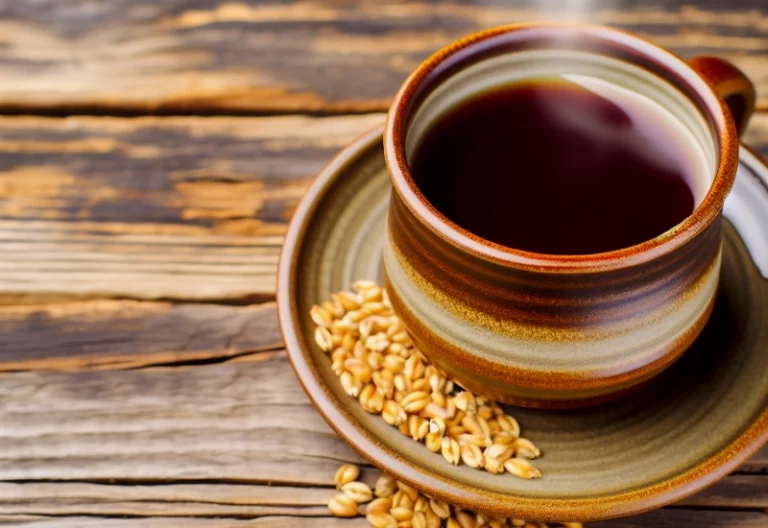
This is our comprehensive guide on decaf vs. non-caff drinks. In this article, we will ...
Read guide →Honest guides to herbal, grain-based and adaptogen blends, from chicory to mushroom coffee, to help you build a jitter-free morning ritual.
New research and recipes from the blog: what each alternative is, how it tastes and who it suits.
This is our comprehensive guide on decaf vs. non-caff drinks. In this article, we will ...
Read guide →In this article, we will explore the fascinating realm of gut-friendly coffee alternatives that not ...
Read guide →For some, the caffeine in coffee can lead to unwanted side effects such as jitters, ...
Read guide →Welcome to our in-depth guide to understanding GERD coffee alternatives and acid reflux, the impact ...
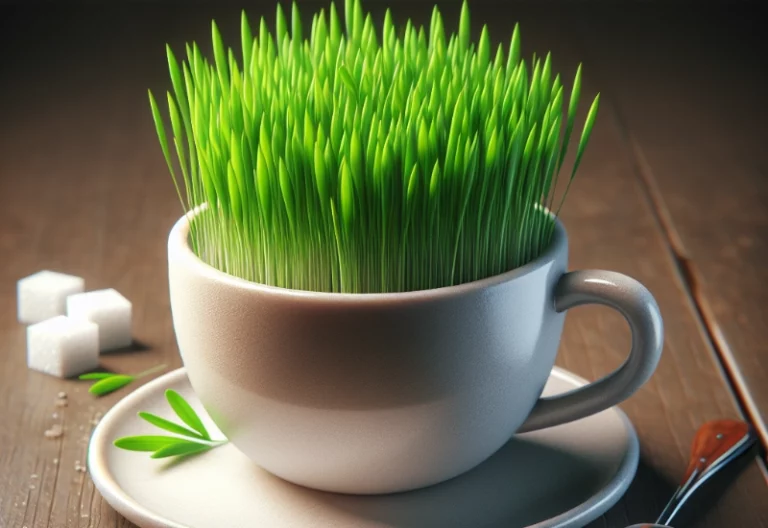
Read guide →Welcome to our exploration of a fascinating alternative to traditional coffee – wheatgrass coffee. In ...
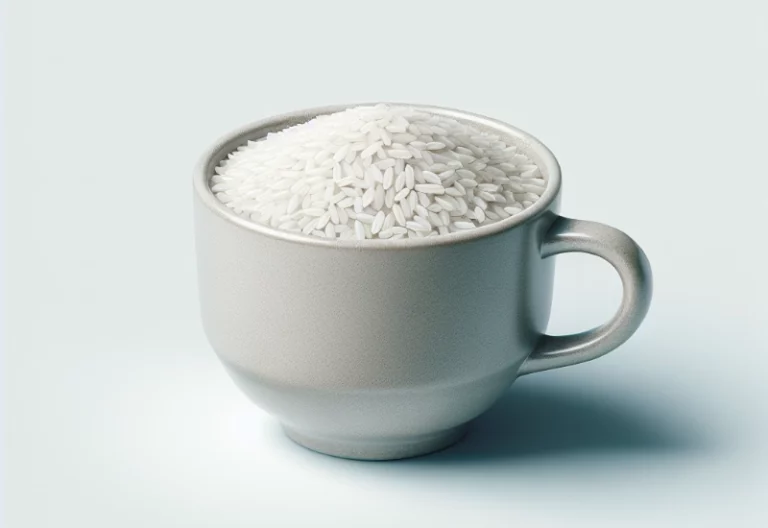
Read guide →Welcome to the world of rice coffee, a delightful and nutritious alternative to traditional coffee. ...
Read guide →Too much coffee left me with jitters, an unhappy stomach and poor sleep. Gentler alternatives gave me steadier energy, and the guides here share what I learned along the way.
Many alternatives give a more balanced, sustained lift without the caffeine crash.
Chicory, barley and dandelion root are caffeine-free and can be easier on your stomach and your sleep.
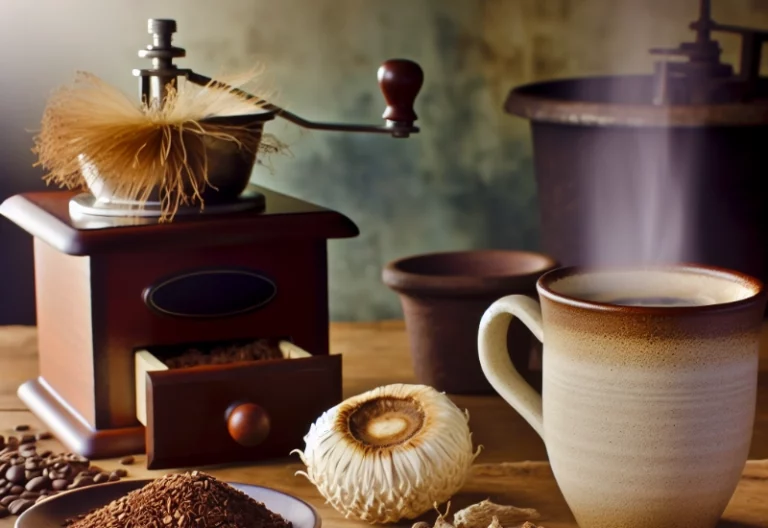
Coffee Alternatives refers to a range of beverages that serve as substitutes for coffee, offering similar satisfaction or benefits without the same composition or effects. These alternatives are particularly appealing to those who wish to avoid caffeine, have dietary restrictions, or are simply looking for a different taste experience. They include a variety of herbal blends, grain-based drinks like barley or chicory coffee, and decaffeinated coffee. Some alternatives are chosen for health benefits, such as reduced acidity or added nutrients, while others are favored for their unique flavors.